15
Top
Works
Aspen Art Fair
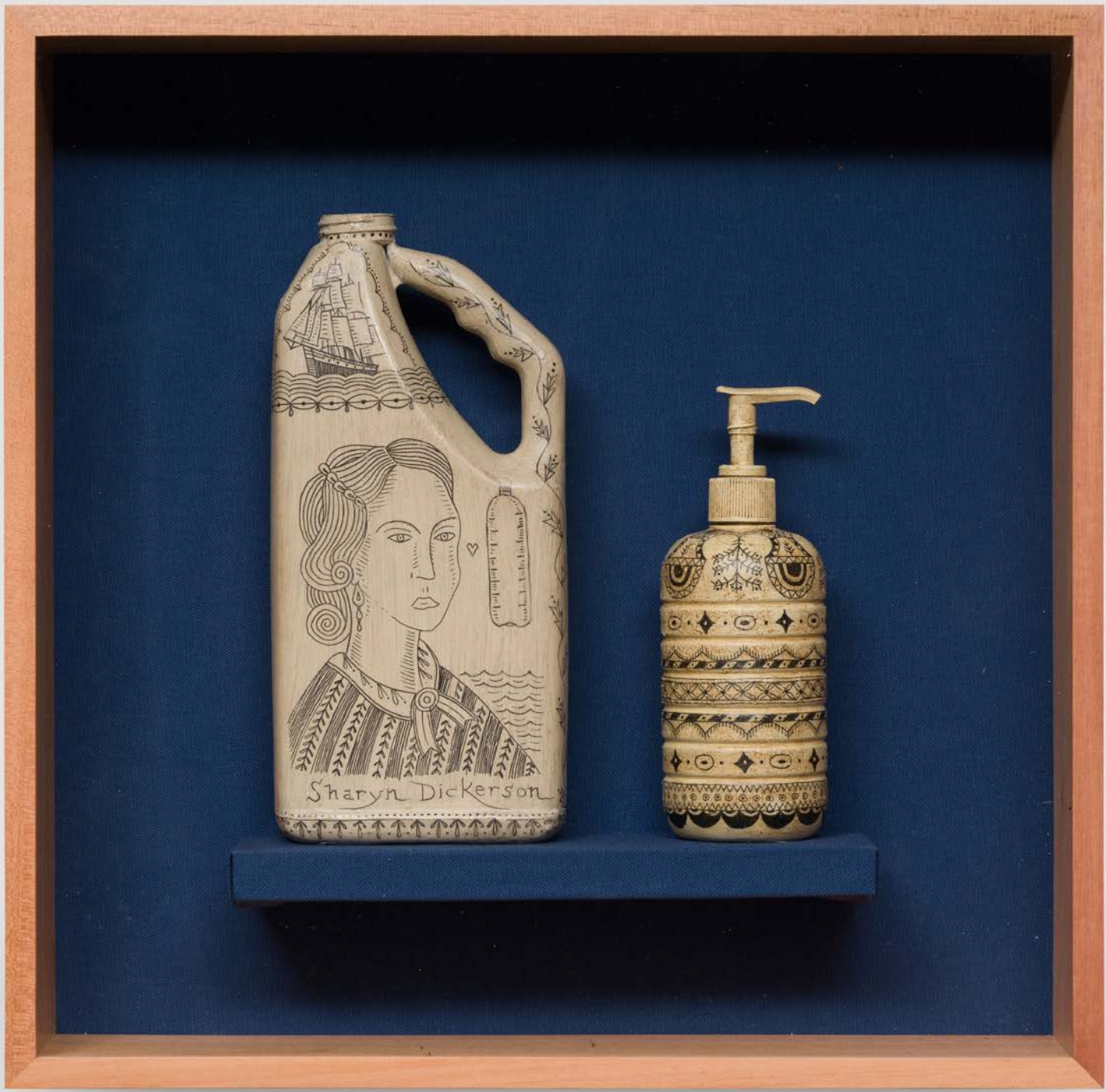
Duke Riley, No. 58-p and 285 of the Poly S. Tyrene Memorial Maritime Museum, 2022, painted, salvaged plastic, ink, wax, 17 × 16 × 4 in.
I like everything about this. Riley pulls plastic off Northeastern beaches, paints it bone white, and scrimshaws it the way a whaler worked a tooth. Here, a politician who opposed a plastic bag ban, drawn like a sea captain.
The Poly S. Tyrene Memorial Maritime Museum is Riley’s invented institution, now over a hundred objects deep. The Brooklyn Museum showed it in 2022 beside real nineteenth-century scrimshaw and acquired several pieces. He’s been at this a long time, sharpening the technique, pulling separate typologies of practice into something that belongs to nobody else.
The framing matters as much as the object. People don’t think enough about the architectural expression available to us around art. What a shadow box does to something seemingly ordinary in form. This one holds weight across an open room, then pulls you close, and once you’re close you want to know more about its story.
Presenting gallery: Charles James Gallery
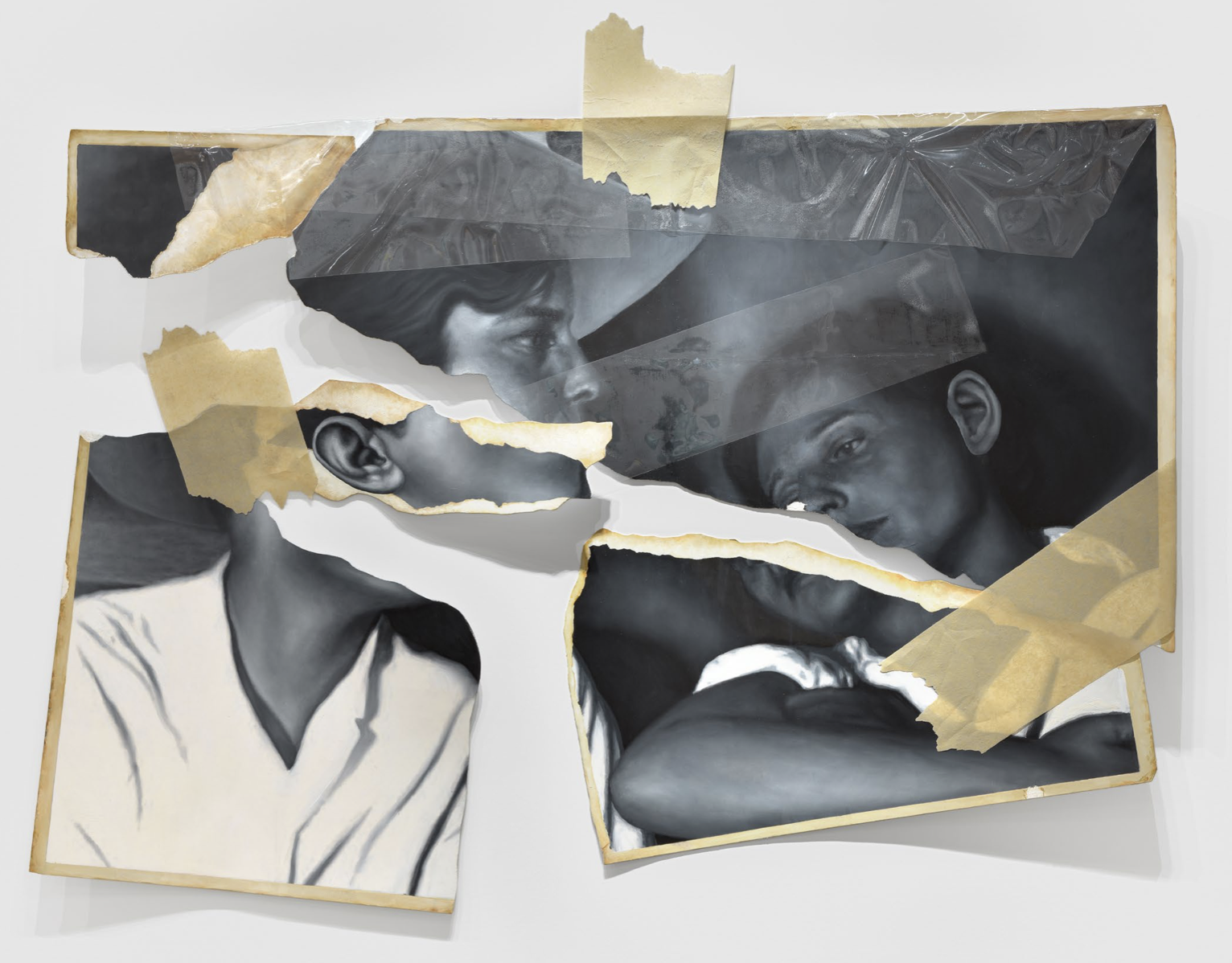
So beautiful. So brutally honest and human, and painted with complete clarity and control. A torn snapshot taped back together on shaped aluminum. Chiasson grew up in Port Neches, Texas, and rewrites small-town Southern life into a place where queer life is ordinary.
She went to UT Austin, then took an MFA at the New York Academy of Art, and works out of Brooklyn now. Her paintings get built more than stretched. Shaped panels, real tape, real plastic, edges that refuse the rectangle. Her museum solo came at Dallas Contemporary in 2023, and her first show with Southern Guild in New York opened this past May.
It’s large and arresting. It holds space, casts its story across a room, anchors everything around it. One of my rules for great work is that it has to feel like it matters now, and this does. The shaped canvas puts me in the mind of Wesselmann, the patch work of Rauschenberg, but the references are subtle and that isn’t the point. The point is that she’s studied, working inside a larger canon, and good.
Deeply personal, and the personal can’t be beat. It holds the truth of the story. This is where the soul meets the bone. Chiasson is an artist to follow.
Presenting gallery: Southern Guild
Chloe Chiasson, Fixer Upper, 2026, Oil, plastic, cotton, paper on shaped aluminum, 59 × 46.7 × 5.5 in. Southern Guild
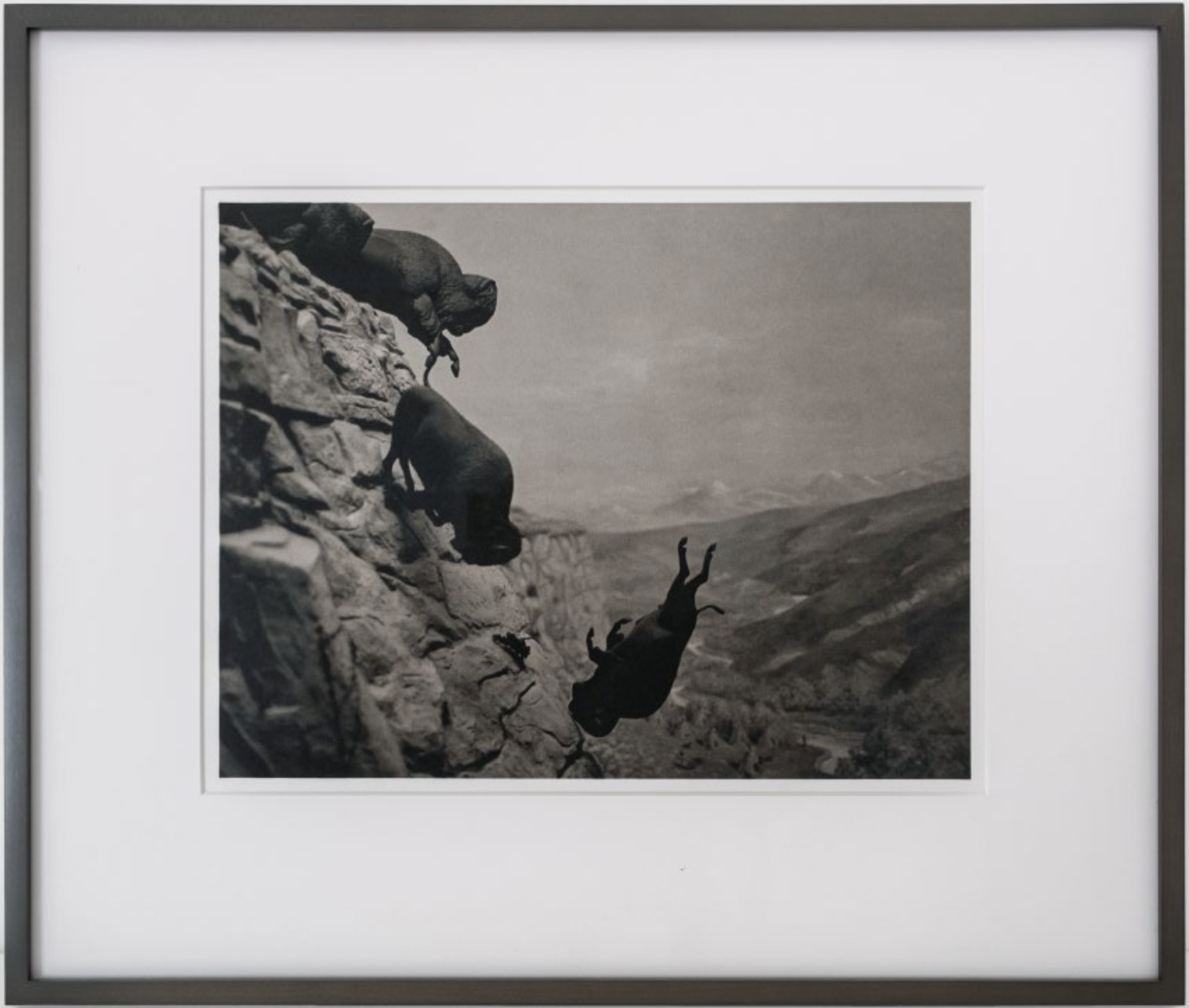
The strongest photograph at the fair. Wojnarowicz shot a diorama at the Smithsonian in Washington, D.C., a staged buffalo hunt, the year he was diagnosed with AIDS. It became the cover of Close to the Knives.
He came to New York as a teenager, mostly without a home, and worked across photography, painting, film, and writing until he died of AIDS related illness in 1992 at thirty-seven. He didn’t stage this image. He found it behind glass in a museum hall, a nineteenth-century fiction about the West still on public display.
This is the Aspen Art Fair, so the list needed something that pulls on the romance of the western frontier. This one does, and means something totally else entirely. The buffalo going off the cliff is exactly what the diagnosis was: run off the edge with no brakes, while the government and the medical community stood back and watched. Collect it because it holds a part of a story that’s ours.
Photography is undervalued in many serious collections. Mistaken for fragile, misunderstood. I’m a champion of it. It’s the most intimate medium there is. It’s about the eye. What someone literally sees.
Presenting gallery: James Barron Art
David Wojnarowicz, Untitled (Buffaloes), 1988/printed 1994. Platinum print on rag paper, 10 5/8 × 13 7/8 in, Edition 70 of 100
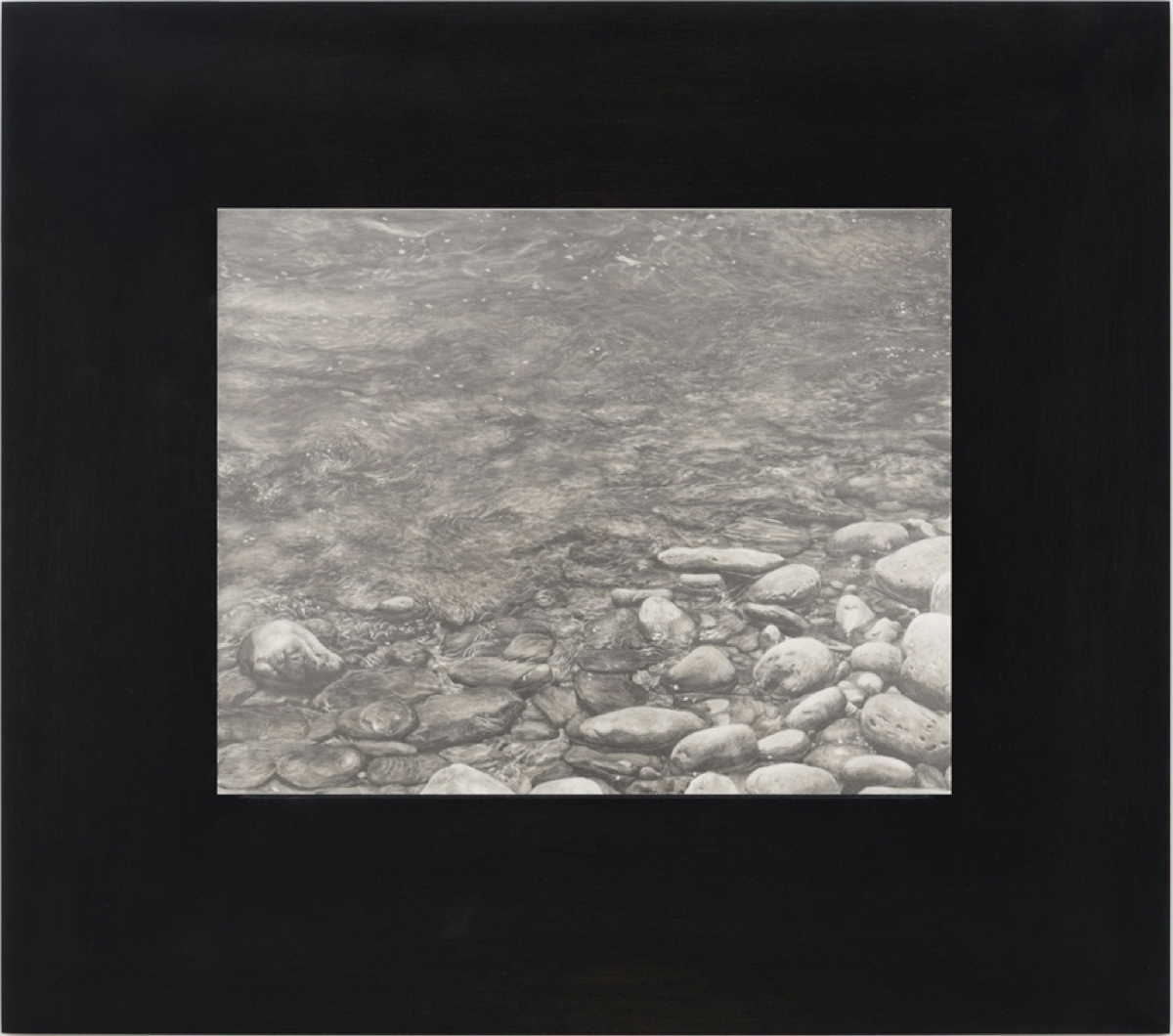
Simon Haas, Oh, Medusa, 2026, Graphite on clapboard, 23 ¼ x 27 ¼ in. Anat Ebgi
The slow, reflective quality of this drawing puts me back in the mountains, the still study of a world existing without us. A surprising contrast to the jubilance of his work with his brother.
Haas is one half of the Haas Brothers, the duo whose sculpture is loud and maximal. Alone, he draws in graphite on clayboard, a hard, resistant surface that rewards nothing but time. His solo drawings were at Anat Ebgi in Los Angeles this spring.
A delicate little piece, a small window into an intimate gesture. Big paintings get the covers and the likes, but in a home, in the spaces only you occupy, small works are how we actually see. They’re made for the scale of our eyes. Balancing scale and engagement across a space and a collection is huge, and that’s what I look at. How the rhythm of a space feels right, not just big or known.
Simon has been a working artist for decades, with a commitment to craft that matters when you invest in an artists. It feels like a memory of sitting above the creek, watching the water move around the rocks. That slow, personal peace with time and nature that we work to find.
Presenting gallery: Anat Ebgi
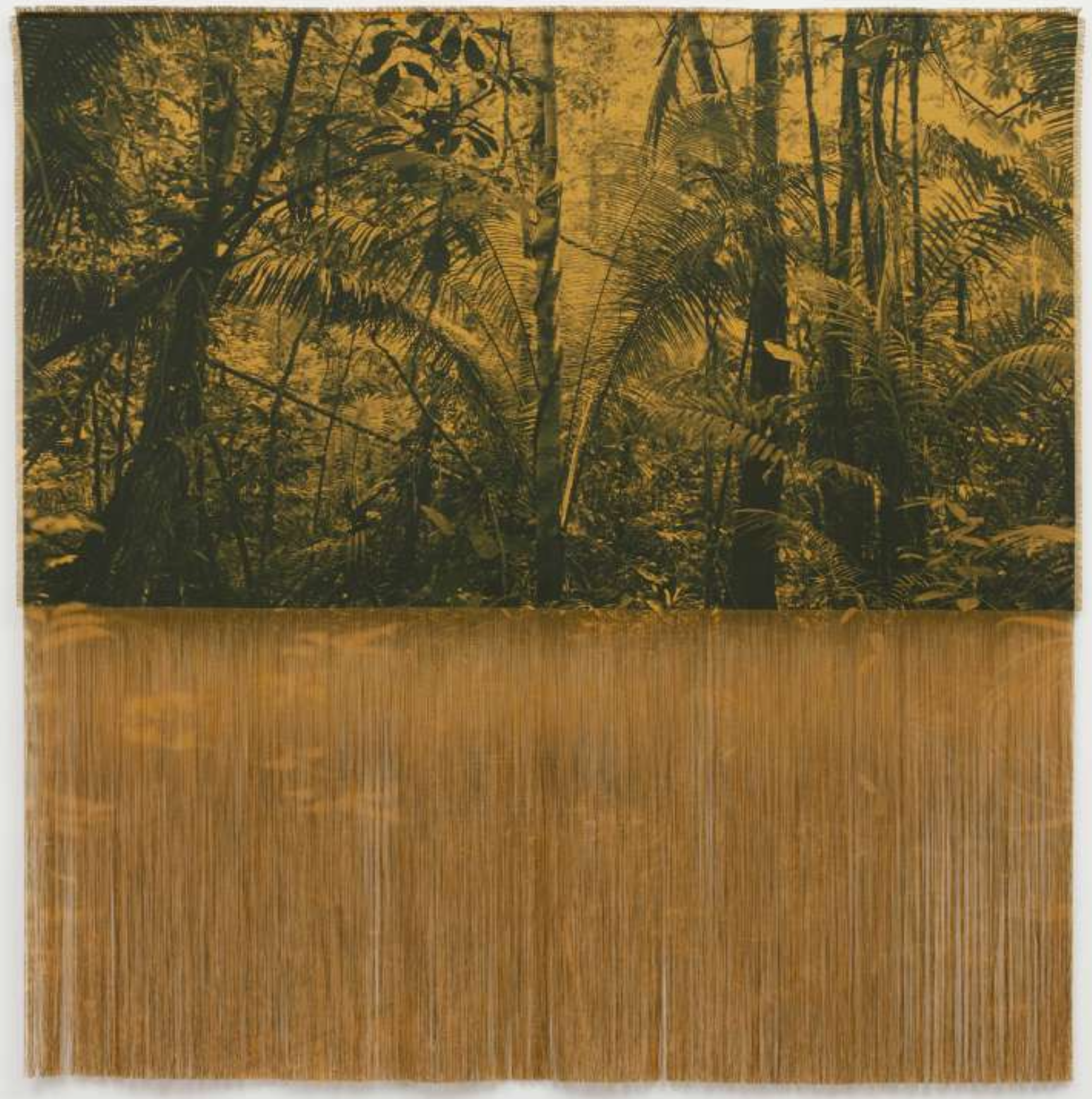
I’m obsessed with Ana’s work. The landscape starts solid, then becomes string, moving, shifting, transparent, undefined. She photographs Colombia’s cloud forests and unweave the tarp they’re printed on.
Gonzalez trained as an architect in Bogota. Her work began with communities displaced by Colombia’s armed conflict, a subject she has said was too hard to carry directly, so she turned instead to the places they left behind. She photographs those forests, prints them on tarp, then pulls the weft from the lower half. You could weave the fibers back.
It brings depth and texture into a space. The piece holds its own on scale alone, but the strands hang and move, occupying a room differently than a flat mass does.
She’s doing something real with materiality, reaching into the long history of South American textile work, using something organic to depict something organic. I think she’ll have a long career. The places we spend our time should feed us. The art we live with should carry a cadence of its own, shaping what we find beautiful or sad, reminding us what it is to be human.
Humanness—the echoes of the ancient—is what I feel in Gonzalez’s work. They remind me of everyone that came before and that our environment is our constant commonality.
Presenting gallery: Sean Kelly Gallery
Ana Gonzalez, SELVA, 2026. Sublimation printing on roughened tarp, 58 ½ x 59 ¼ in.
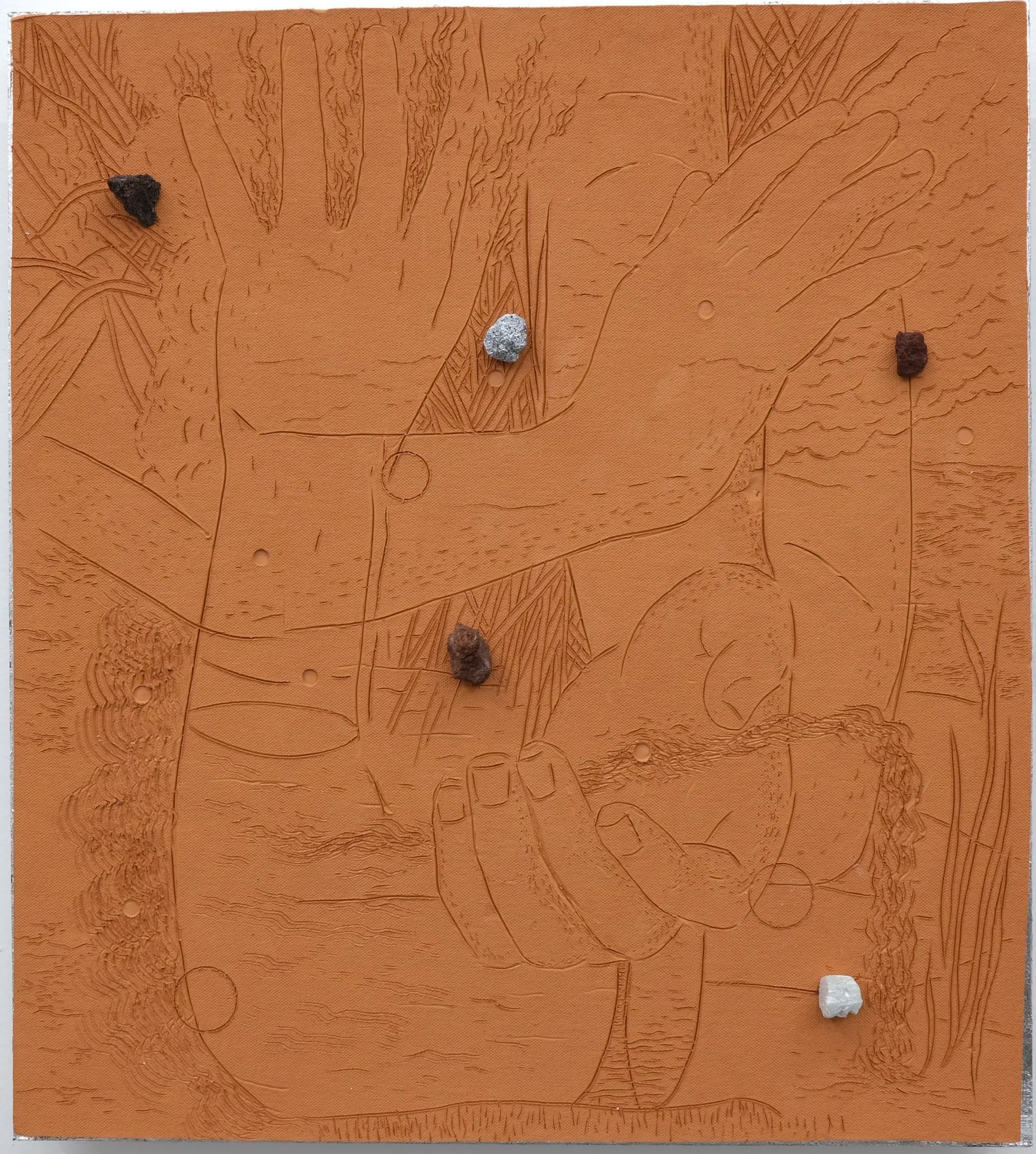
Sergio Suarez, Manos que transforman, 2026, Enamel on tezontle, alabaster, basalt, on stoneware, and silver leaf on wood, 16 × 15 × 1 ½ in
The materiality makes me stop. Carving, inlaying, taking away more than putting on. Suarez works between Aztec ritual, Catholic painting, and telescope imagery, building his own cosmology, asking how time gets reset and who decides where the center is.
Born in Mexico City in 1995, working in Atlanta. He came up carving woodblocks, and that habit of cutting into a surface runs through all of it. He returns often to the New Fire Ceremony, the Aztec rite where every fire was extinguished at the close of a fifty-two-year cycle and relit from a single flame. The tezontle set into their surface is the red volcanic rock of the Aztec temples, and of the colonial churches built on top of them.
From across a room this is the weight of mud. Clay, one of the oldest materials we have been marking. The hands and arms only arrive after close looking. The mark making could stand the test of time or could have been a doodle, and I love that about it. The flatness, the simplicity, how much Suarez communicates by mostly taking material away.
An expansive collection should hold something like this. I don’t see much work combining carving, flatness, and contemporary subject matter in the market right now. I like it because it lets you meet it at your own pace.
Presenting gallery: Patel Brown
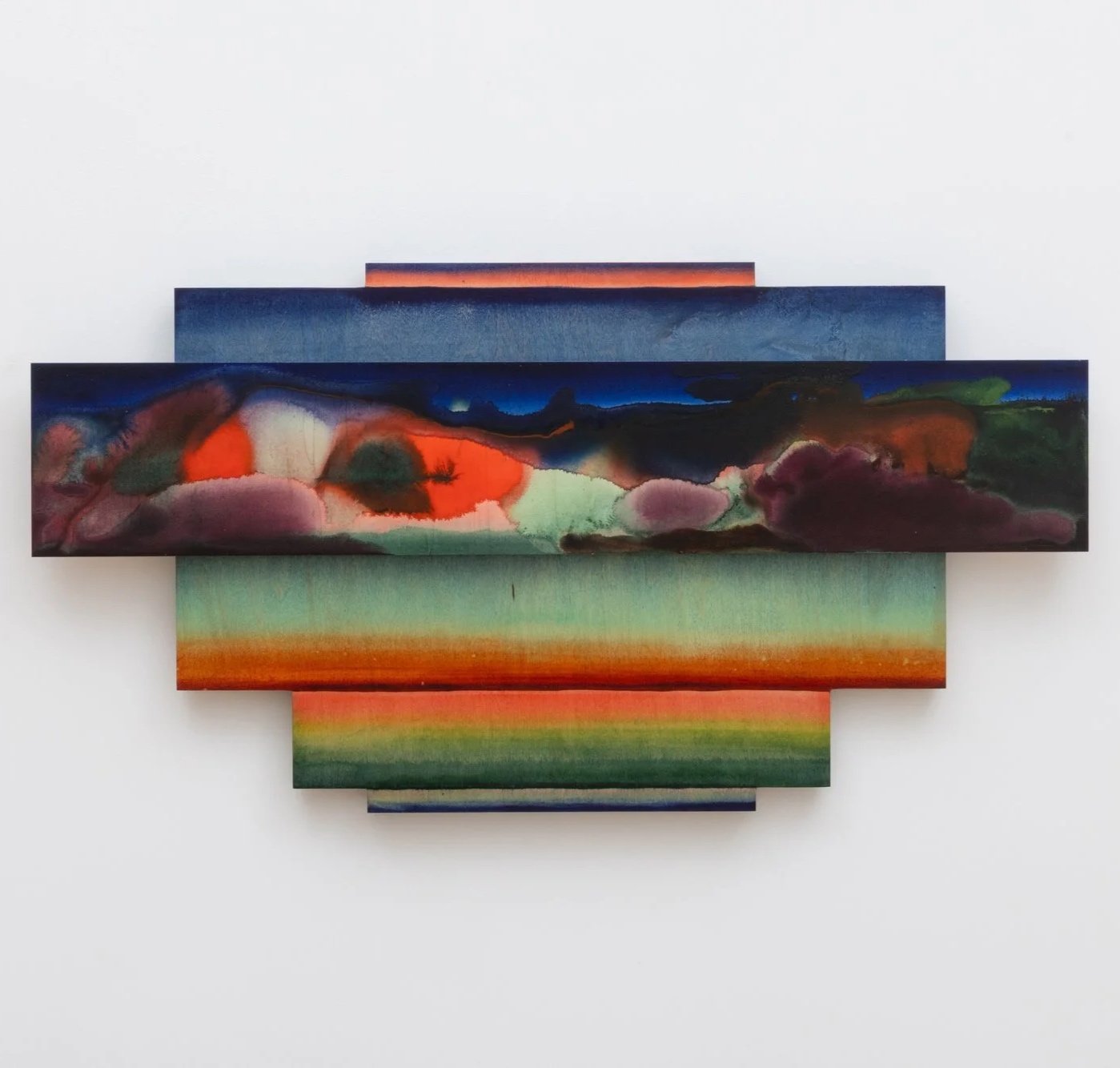
I haven’t seen anything like this before. He breaks light into depth and space for us, landscape referenced, then the stain merges with the grain of the wood.
Childress works out of Florence, Massachusetts. He stains rather than paints, so color sinks into the wood and the grain keeps coming through. The picture is built from stacked panels of different lengths, offset, and that stepping does so much work in articulating the depth and complexity of light in space. Bright Night came out of his solo show at Hesse Flatow in January, a show that also held graphite drawings and a bench he made.
He breaks up the experience of a landscape the way Rothko did, foreground, middle ground, background, then pushes further and builds literal new planes of material and depth in sculptural form. the way he melds the staining with the grain takes these somewhere organic and atmospheric.
Bold slices into the memory of seeing an expanse.
Presenting gallery: Hesse Flatow
Michael Childress, Bright Night, 2025, Acrylic and wax on wood, 16 × 30 in
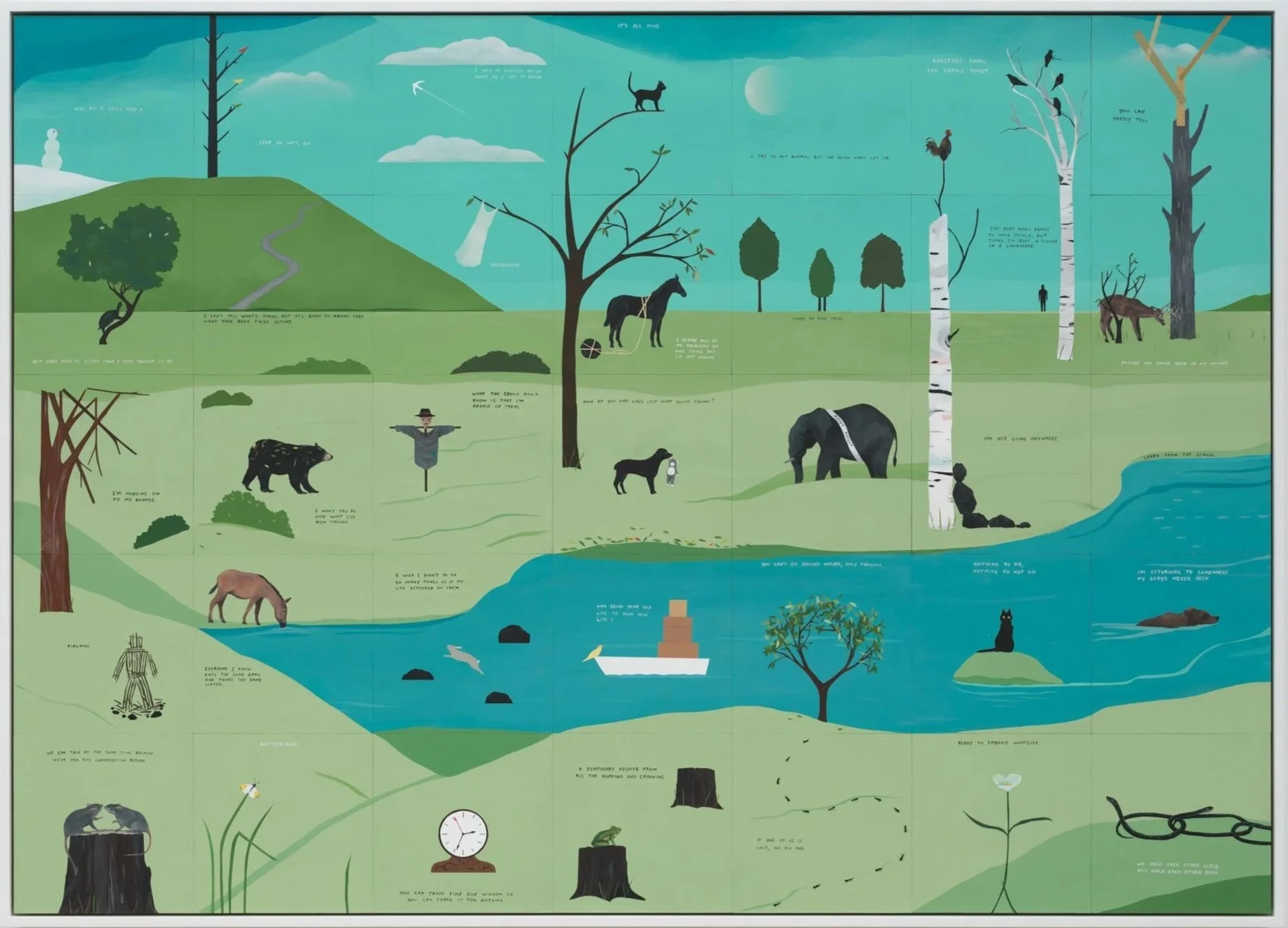
This painting makes me happy. So much narrative and interest that the eye pulls through it, discovering. One landscape assembled from a gird of panels, each carrying its own line.
The two of them met in Winnipeg and started the Royal Art Lodge there in 1996, a group that drew together weekly, passing the same sheets of paper around the table. The collective ended in 2008 and they kept working as a pair. The habit held: an image and a line of text locked together, small units accumulating into something bigger. Both were shortlisted for the Sobey Art Award in 2014. The title of this one comes from inside the painting, on a panel near the top.
A contemporary genre scene. There’s humor in it, and a narrative that moves you across a large imagined setting. This painting tells a full story, literally, written across it.
Technically beautiful, and I like the humor in all of it. A story piece for a home, always giving up small details, catching people when they come to visit, a talking point at a dinner party.
Presenting gallery: Patel Brown
Michael Dumontier & Neil Farber, Figure in a landscape, 2026. Acrylic, ink and spray paint on MDF, 45 × 36 in.
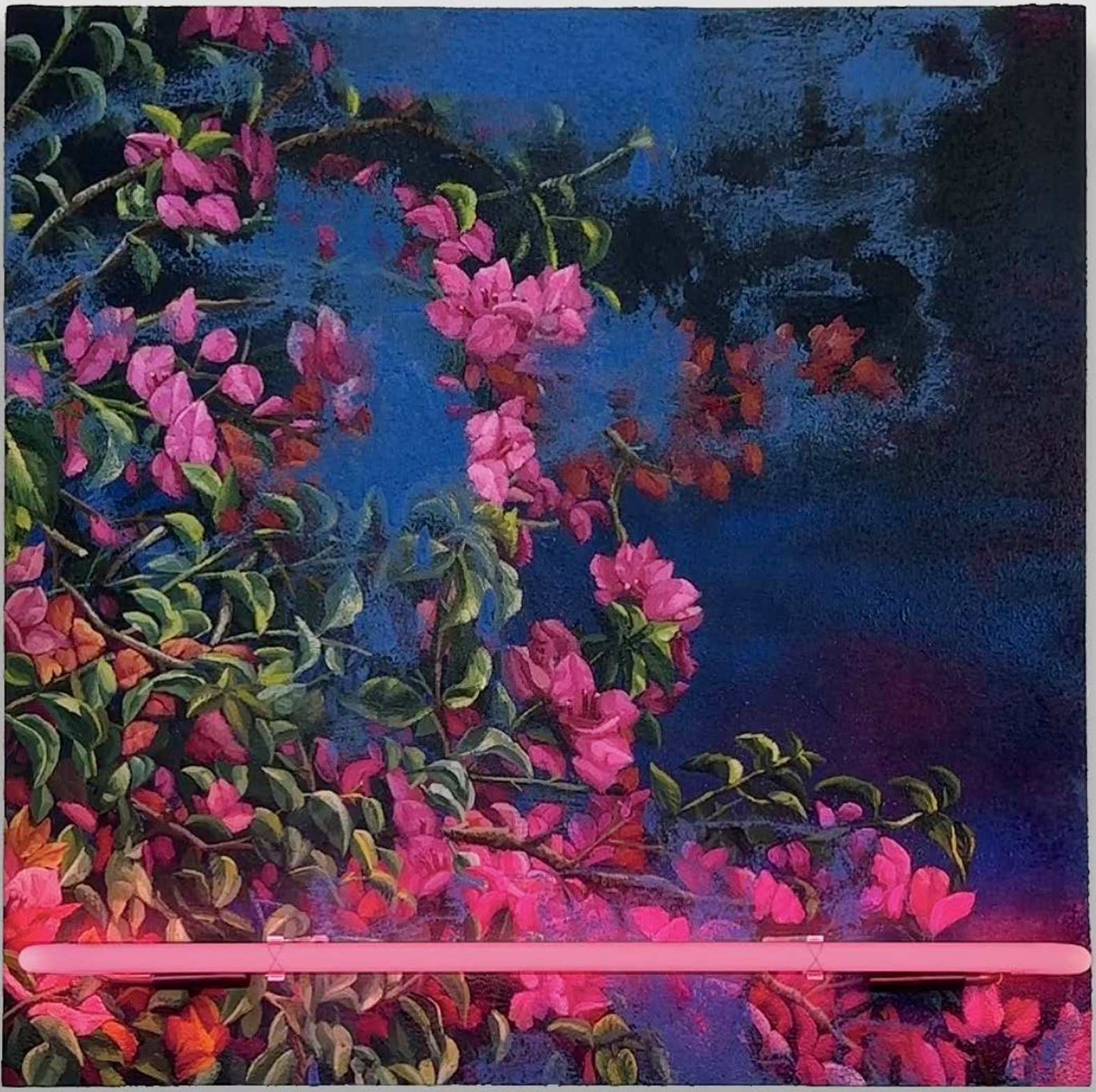
Patrick Martinez, They Didn’t Know We Were Seeds (Night), 2026, Stucco, neon, acrylic paint and latex house paint on panel, 24 × 24 in
He’s merging paint and neon, and I like both bodies of his work. Something fabulously Los Angeles about a pink neon tube laid across flowers this fecund. Martinez paints on stucco, the actual surface of the city’s walls, and the title cuts a protest line in half: they tried to bury us, they didn’t know we were seeds.
Born in Pasadena in 1980, working in Los Angeles, of Filipino, Mexican, and Native American descent. He builds paintings out of the city’s own construction materials. Stucco, cinder block, ceramic tile, security bars, neon. The line in the title has circulated for years as a protest slogan, and he credits the Greek poet Dinos Christianopoulos for it in an earlier neon work now held by The Broad. He was included in Made in L.A. at the Hammer last year.
An artistic moment. Light, texture, color, imagery. A cinematic snapshot across a space, holding a feeling that is totally LA and casting it over everything the light touches.
Martinez is well established, widely collected, and placed institutionally. This will carry and last. His dedication to craft and practice matters when you’re deciding who to collect. He gets it, and he’s built a strong name.
The painting makes you feel good. It reminds you of something in your own life. It shifts the energy of the room it lives in. Beautiful, and a happening, which is everything you want when you think about the art of how we live.
Presenting gallery: Charles James Gallery
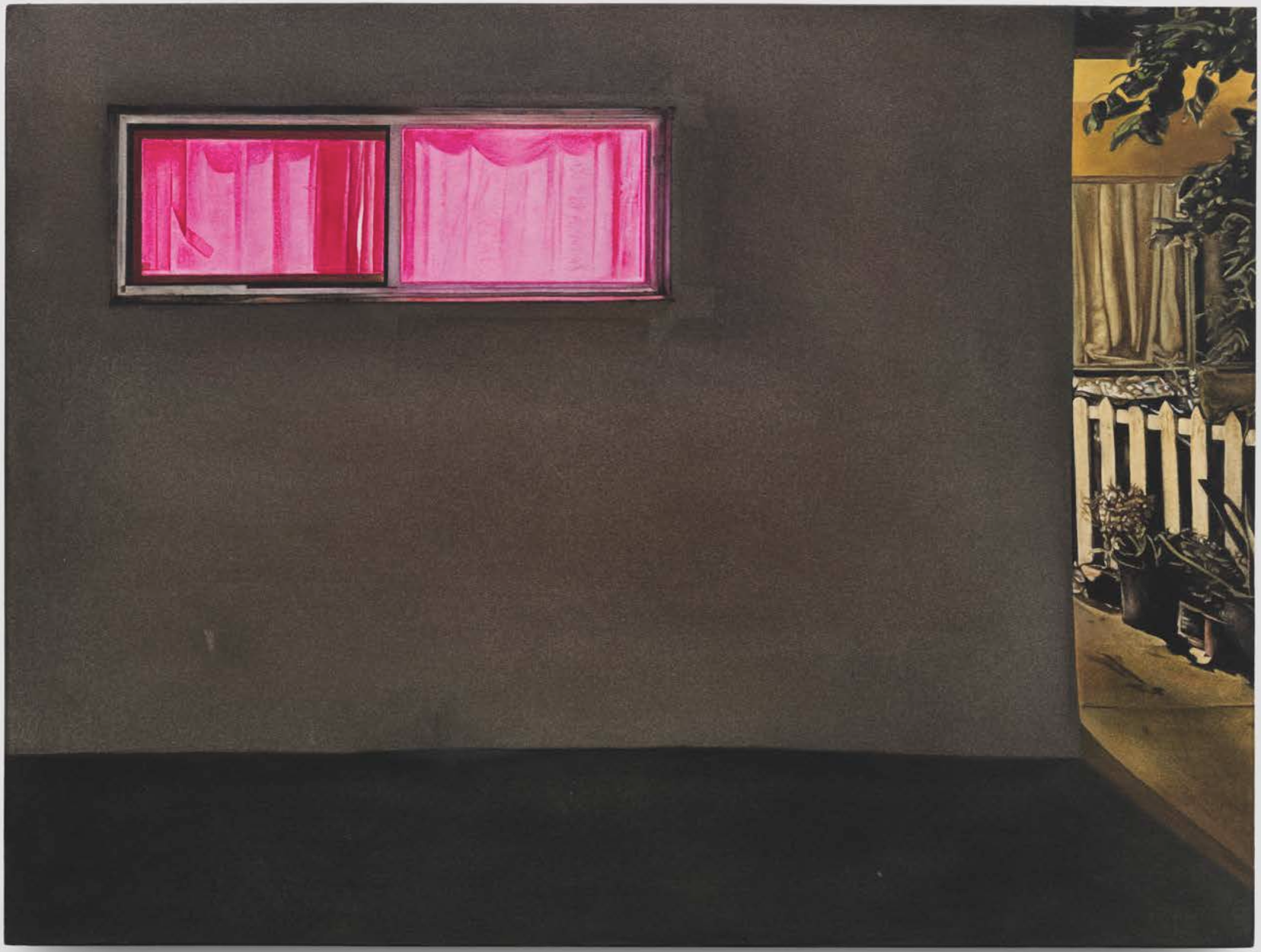
Simple and totally beautiful. The light through the curtains, the texture of the wall, the illuminated scene at the edge. Lemus paints the buildings of Pico-Union, where he grew up, watercolor pressed onto panel until it reads like fresco.
Born in Los Angeles in 1977 to Guatemalan parents, raised in Pico-Union and Westlake. For a decade the subject has been the buildings and rooms where immigrant life in the city actually happens. The apartment wall. The window grill. The curtain drawn across it.
This is just a good painting, and I’m a sucker for paintings. Night paintings especially. They show off what paint can do. Great painting has a luminosity I can’t quit, and this has it. Shadow, light, perspective, luminosity through transparency. I’d collect this yesterday.
You’ll like living with it. It becomes part of your life, and you start seeing it in parts of your life, projecting yourself into it. It changes across the day and again at night. A simple scene, about nothing but regular life, which is what most of our lives are made of. Those scenes can be the most beautiful.
Presenting gallery: Charles James Gallery
Nery Gabriel Lemus, Dreamed of the Colors, 2026, Watercolor on paper over panel, 18 × 24 in
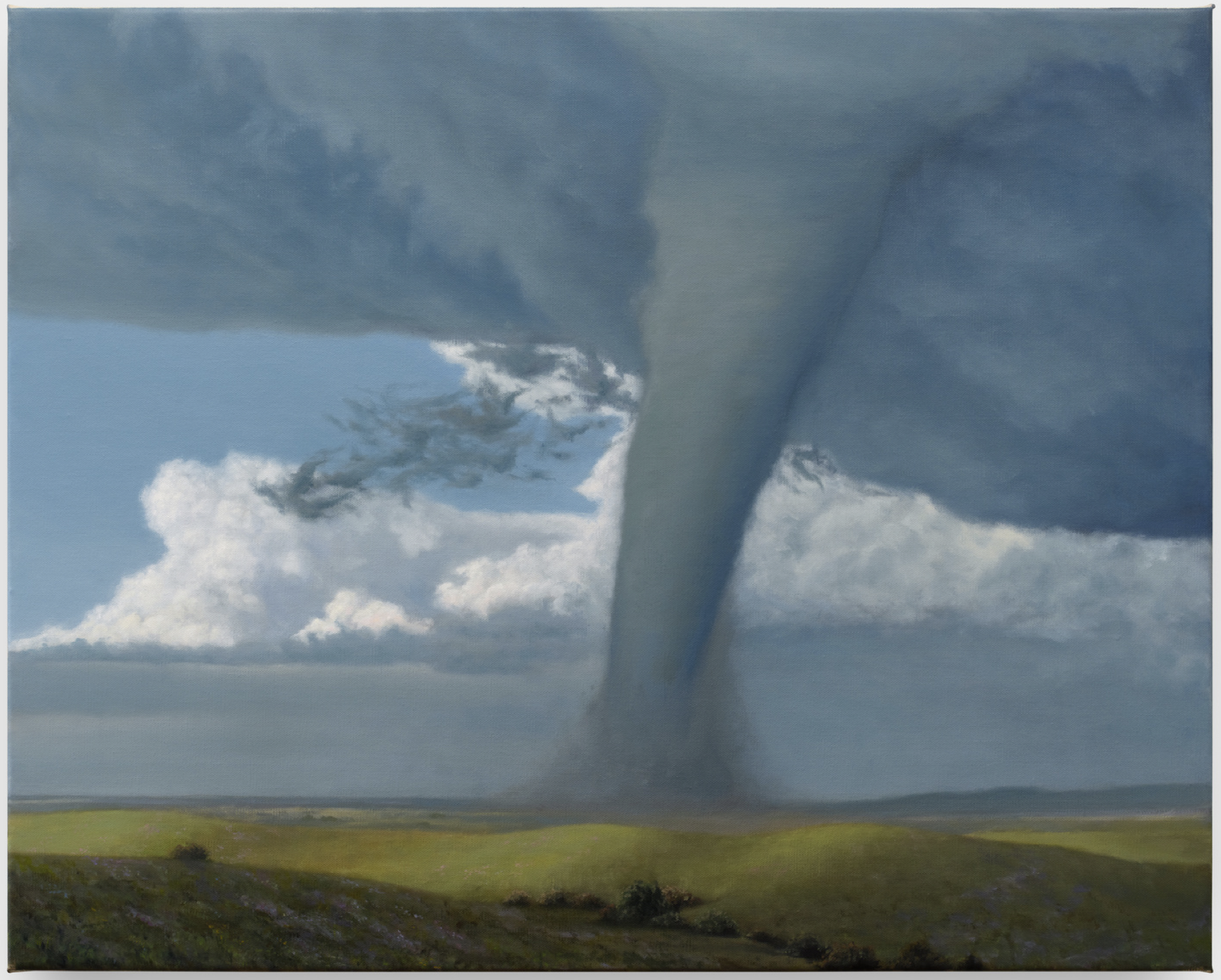
Chad Murray, After the Storm, 2026, Oil on linen, 24 × 30in
Simply beautifully painted. An image normally about chaos and destruction. Murray chases the sublime with the plainest tools a painter has, no figures, just weather.
Born in Alberta in 1985, working in Los Angeles. He paints a world with nobody in it. Last year he made a series out of the Book of Revelation, run through John Martin, Turner, and Thomas Cole, the painters who built the language of the sublime in the first place. The Tornado is where the whole body of work began.
It’s giving Hudson River School on steroids. A calm, classic depiction of landscape, and then the feeling that takes over is the stillness of the tornado. The thing that moves with a force nobody can stop, and Murray holds it still so we can see the beauty in the destruction.
Beauty, light, painterly ability, and a subject I like. This would be interesting to live with, and to hold inside a larger collection of paintings about landscape.
Presenting gallery: Palo Gallery
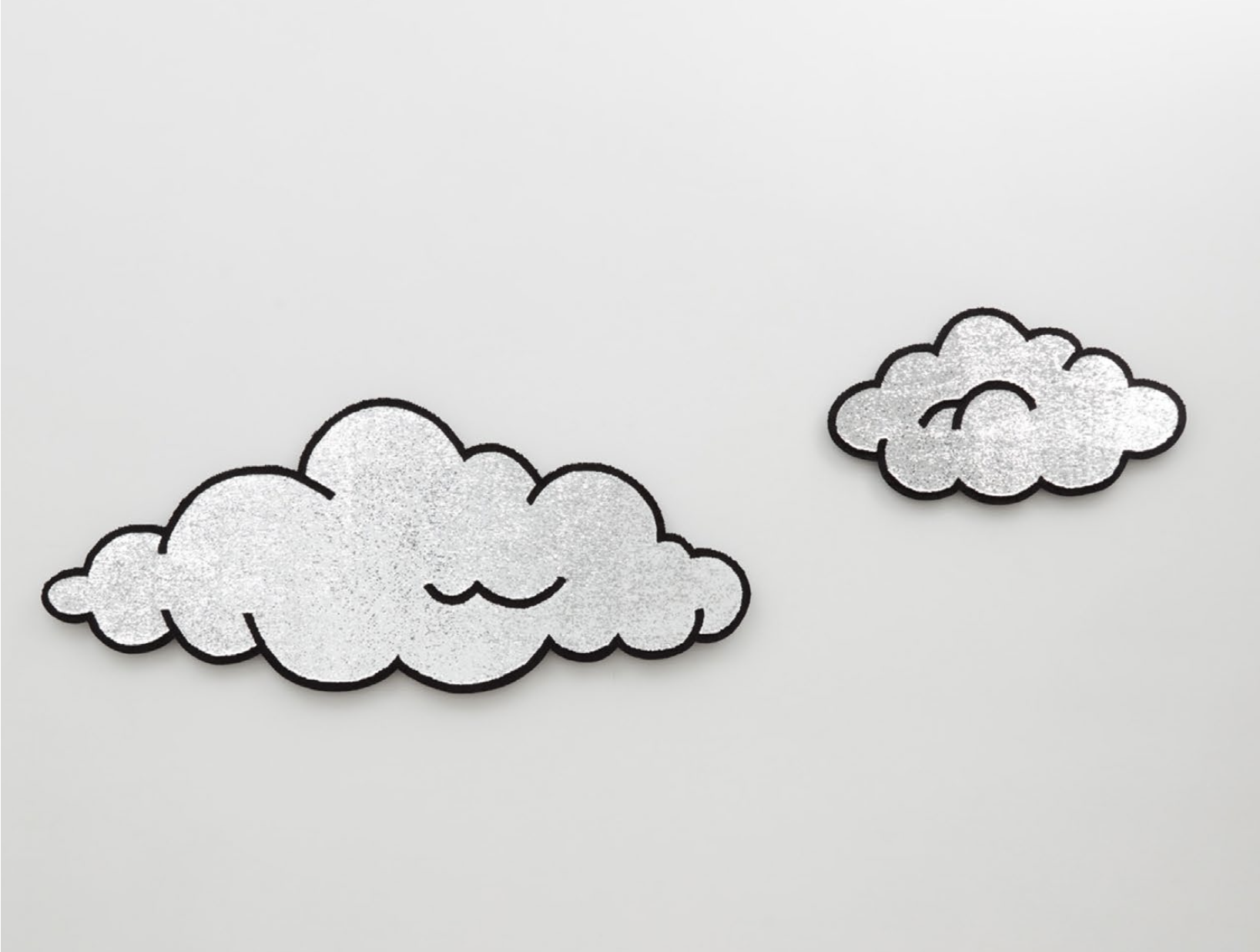
The materiality, the playfulness, the sculptural weight of these. They are just good. Biggers has been working the cloud for decades. Unsui is Japanese for clouds and water, the name for a monk who wander like one and flows like the other.
Born in Los Angeles in 1970, working in New York. Morehouse, then an MFA in Chicago, then a residency in Japan in 2003 that put Buddhism into the practice for good. He’s best known for the Codex quilts, antique quilts he paints and cuts apart, and for the Chimera marbles that fuse African masks with Greco-Roman statuary. The Unsui clouds went public in 2025 with large scale installations at Brown, at Desert X in Palm Springs, and in Aspen, where two mirrored version stood in Paepcke Park at 28 and 23 feet.
These are joy works. Art that brings joy and shifts everything about the space it’s in. They hold scale, and they look just as good maximizing an intimate space.
Biggers is a serious artists, by which I mean he works hard at what he puts out, at how it connects to something that interests him.
Presenting gallery: Boesky Gallery
Sanford Biggers, Unsui (Duet), 2026, sequins, felt. Large cloud 25 × 60 × 1 ¼ in., small cloud 16 ½ x 30 × 1 1/4in.
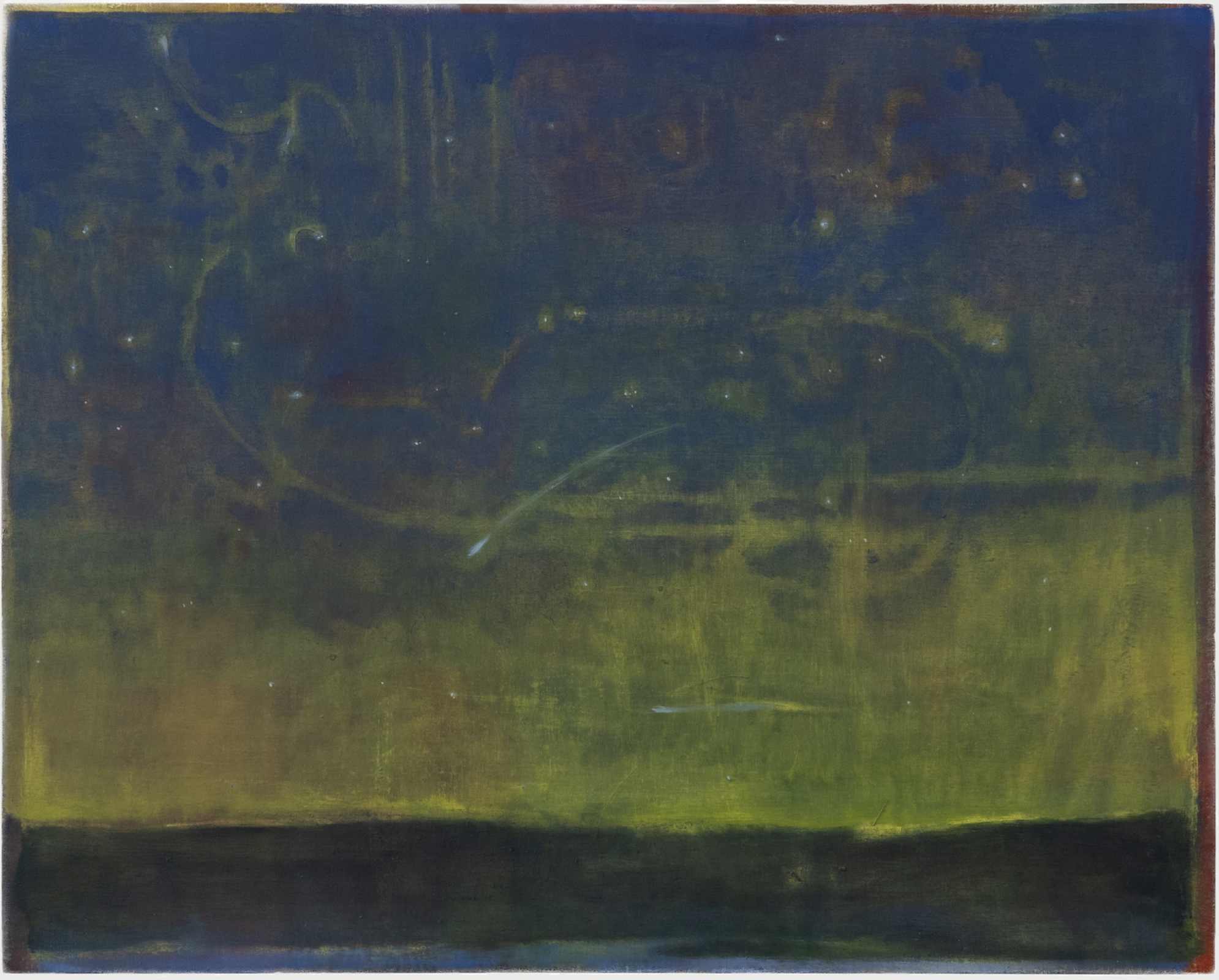
It reminds me of Santa Fe at night. The southwestern sky, that impossible depth and clarity. Dancing light and color refracting across the panel. Toran paints landscapes from memory rather than observation, and you aren’t supposed to place them, it’s bigger than that.
Born in New York in 1997, the youngest artists on this list. The haze is the whole point. You’re meant to doubt whether the snapshot was ever real, and the color arrives before the place does. Earlier this year she was hung alongside Vija Celmins in a group show about ambiguity.
A really wonderful landscape painting that holds so much light and energy. Timeless, and it transports me to that high altitude night sky, a place I crave and long for. That light is something artists have been depicting for centuries. She feels like she is part of that canon of amazing artists, most of whom woman, that crafted how we understand light, stars, and the relationship we have with the sky.
Allegra has something here. This is the type of art you cherish. she has a point of view worth investing in, a gesture, a way of using paint that feels really good. Really honest.
Presenting gallery: Palo Gallery
Allegra Toran, Birthright, 2026, Oil on panel, 24 × 30 in
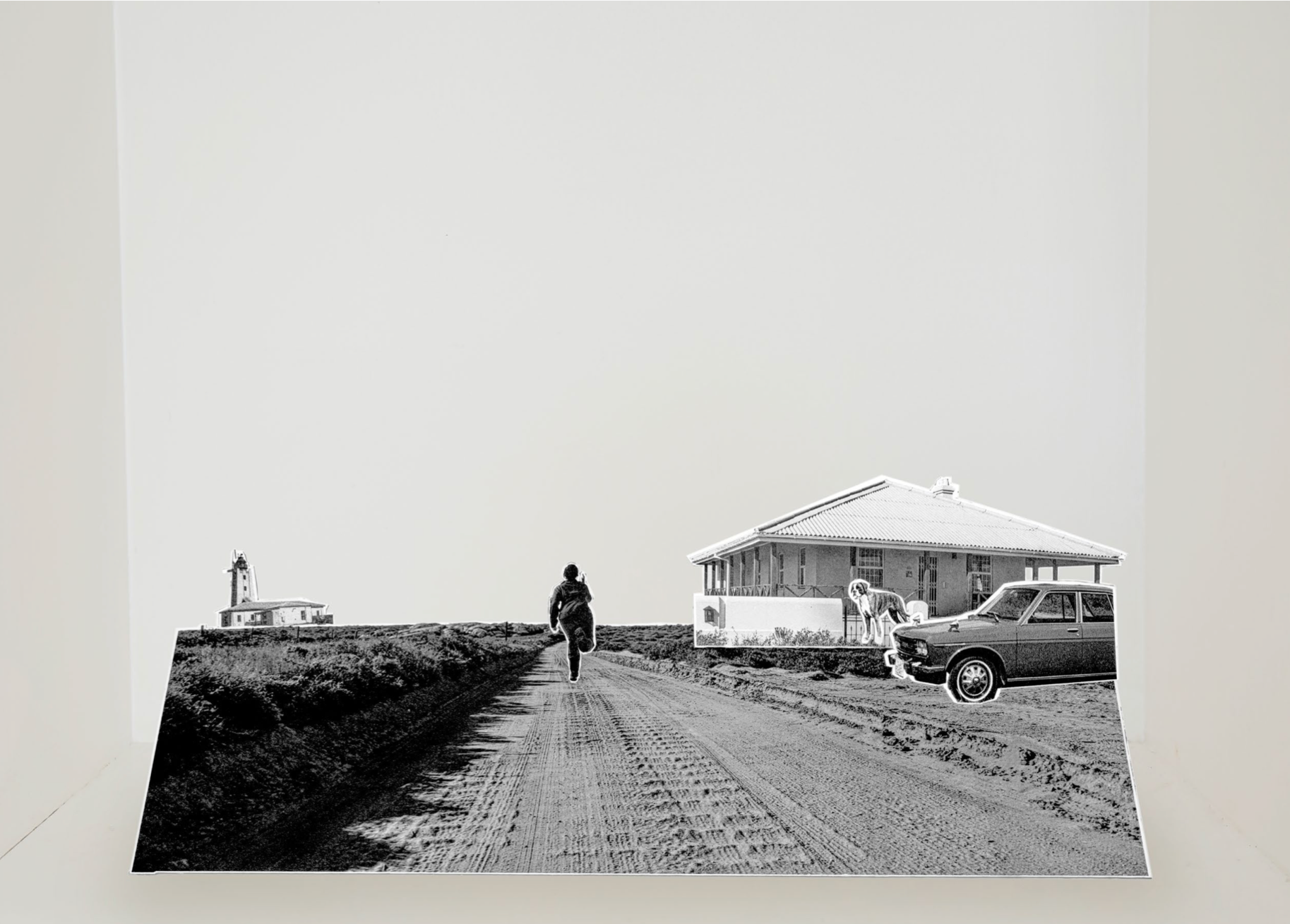
Lebohang Kganye, Running from neighbours dogs, 2022, Inkjet print on cotton rag paper, 28 × 38.3 in. Edition 3 of 5.
Really interesting. The cut-outs, the flatness holding so much depth. This scene feels familiar to me. Kganye cuts her family’s photo albums apart, rebuilds them as sets, and photographs them again.
The work started with her mother’s death. She found the clothes still hanging in the wardrobe, recognized the locations in the old pictures, and began dressing in them and standing where her mother had stood. The cut-outs came next: relatives lifted out of the albums, faces sometimes replaced with black silhouettes, built into sets and lit. She has said the later work takes after children’s pop-up books, walls folding down, floors flipping up, figures springing into place. She won the Deutsche Borse Prize in 2024.
The layers, the composition, the depth, the space left for imagination, the visible construction of all of it. I want to know the story.
Presenting gallery: Southern Guild
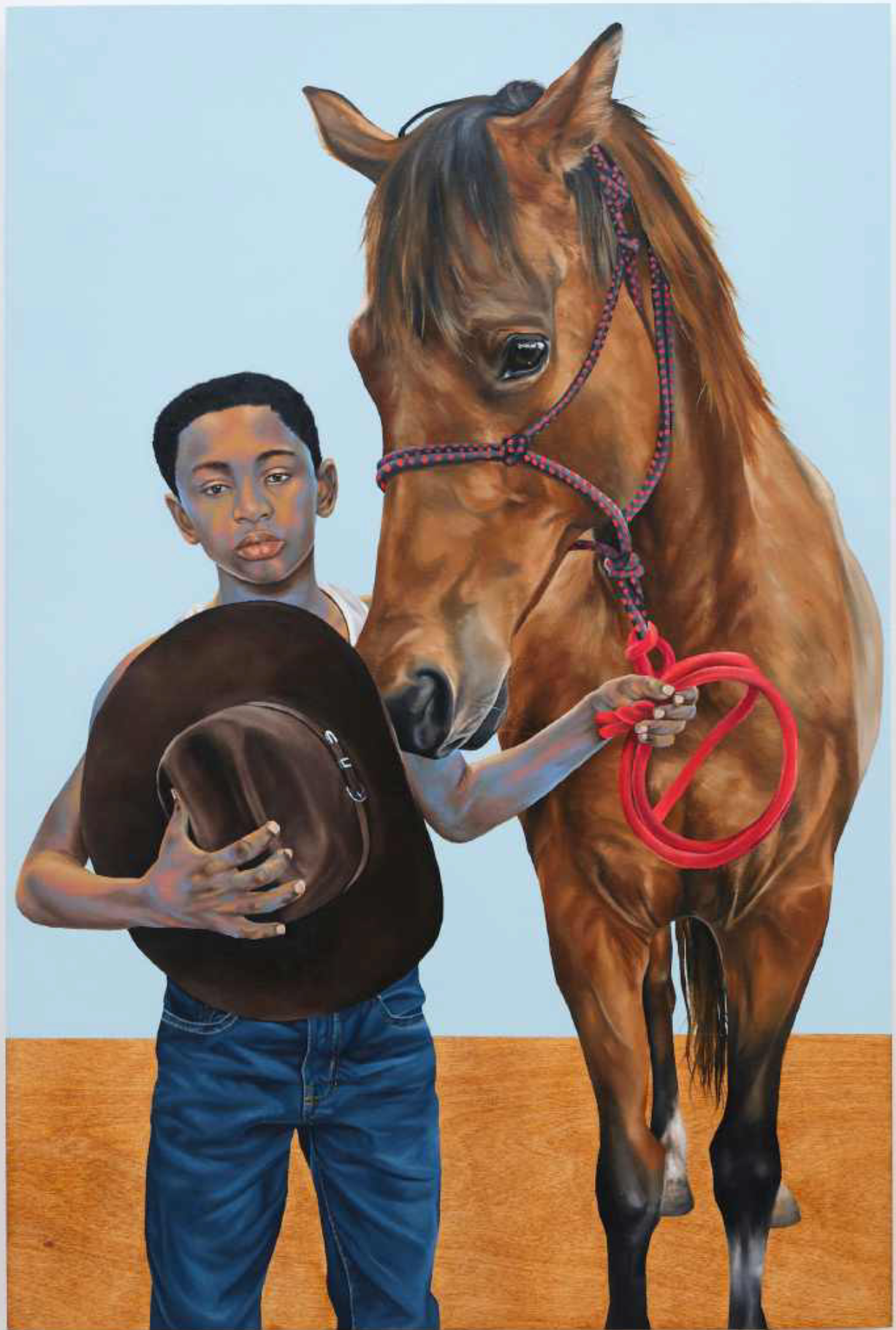
I love this painter. The snapshot quality of how he paints these men, boys, horses, delicacy and strength at once. Peterson is self-taught, picked up a brush in 2012, and works out of Lawton, Oklahoma.
He paints the people around him, family and neighbors and young people from town, at a scale usually reserved for someone official. His portrait of novelist Ernest J. Gaines became a USPS Black Heritage stamp in 2023, and the Brooklyn Museum opened a show of his paintings last month, hung with Ron Tarver’s photographs of Black Cowboys.
A striking portrait, and it grabs people. We’re drawn to faces, we like them, and this one lets you make eye contact with the boy and with the horse.
Peterson is a strong painter, very well received, in a lot of important collections and shows. He’ll be known as part of a great moment in American portraiture.
Art should keep us interested and inspired and questioning and wanting to know more. It shouldn’t disappear into the wall. It should keep interesting itself into whatever room it’s in. This painting does that. This moment gets to be a part of your life, characters that you live with.
Presenting Gallery: Albertz Benda, Friedman Benda